
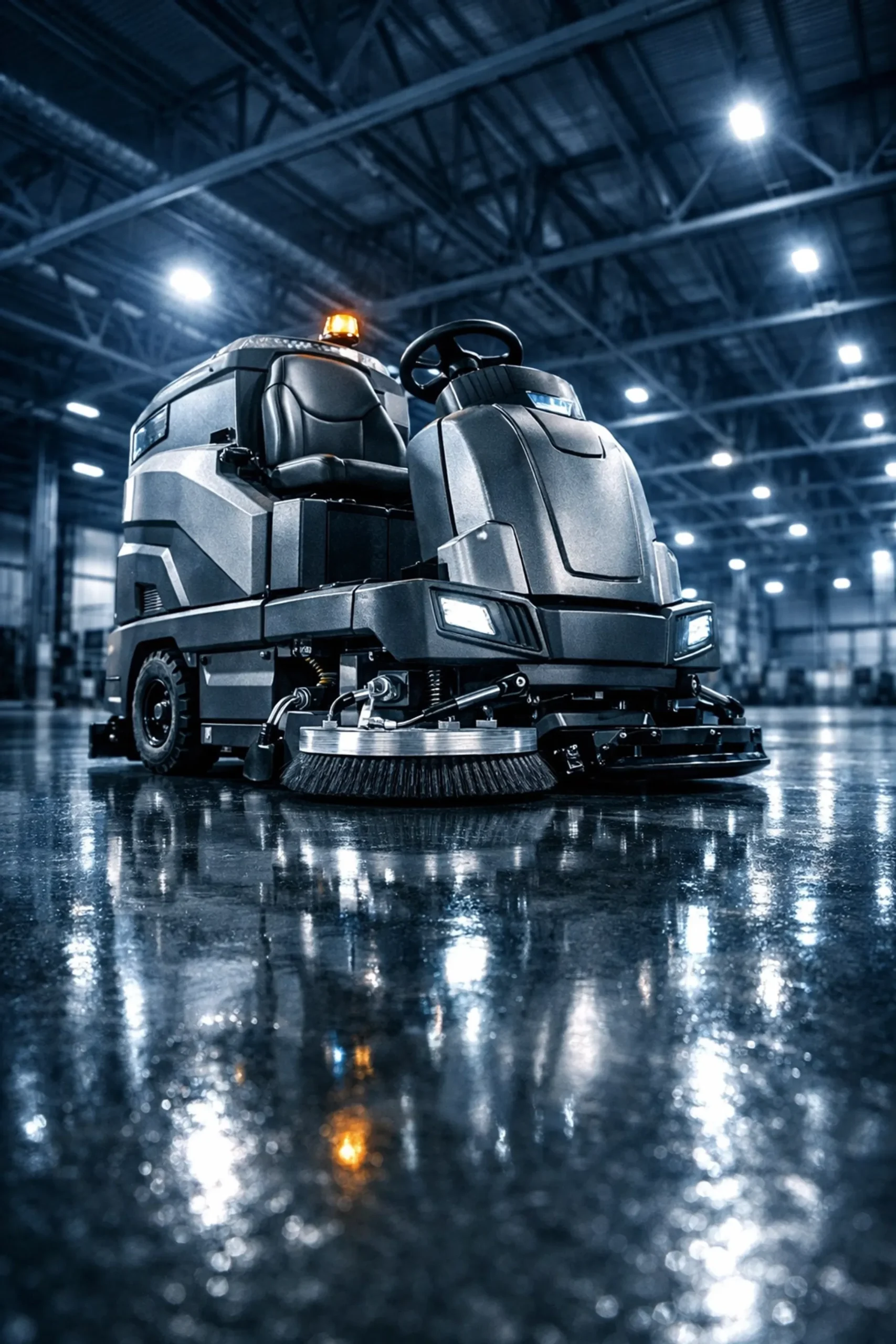
Warehouses are busy working environments. Forklifts move through aisles, trucks turn over at loading docks, and dust and packaging can build up quickly. Cleaning around these operations takes more than a quick sweep: it needs a clear scope, safe access and a schedule that fits the way your site runs.
Use this 10-point checklist when arranging warehouse cleaning Sydney facility managers can rely on.
1. Start with the site’s actual risks and traffic patterns
Before cleaning starts, walk the site with the warehouse supervisor. Identify active forklift lanes, pedestrian crossings, blind corners, dock activity, restricted zones and shift-change times.
Share the site’s induction requirements, traffic-management procedures and emergency arrangements with the cleaning team. Agree on who to contact if a hazard or operational change affects the work.
SafeWork NSW guidance on forklift safety stresses the importance of managing vehicle and pedestrian interactions. Cleaning should fit into those controls, not create a new conflict.
2. Treat loading docks and machinery as priority zones
Loading docks collect dirt, water, pallet debris and packaging. They also involve reversing vehicles, moving equipment and changing conditions. Machinery presents similar challenges: cleaners need to know where they can safely work and what must be isolated or kept clear.
For each area, agree on:
- When cleaning is permitted and who authorises access
- How the zone will be separated from vehicles and workers
- Which equipment or machinery must be stopped or isolated
- How spills and hazards will be reported
- Where cleaning equipment can be stored without blocking access
Never assume a cleaner can work safely beside operating plant just because the area looks quiet. Follow your site’s procedures and the relevant equipment instructions. Safe Work Australia’s Managing the risks of plant in the workplace provides guidance on controlling risks associated with plant.
3. Include high-level dusting in the scope
Dust on racking, beams, ledges, lights and steelwork is easy to miss from floor level. Over time, it can affect presentation and may be disturbed by airflow, stock movement or cleaning below.
Ask a prospective cleaner how they will handle high-level dusting. Suitable methods may include extension tools or equipment designed for the task. If elevated access is necessary, confirm how the work will be planned, controlled and carried out by competent workers. Cleaners should never climb racking or use pallets as makeshift platforms.
Agree on the areas, method and frequency in writing. The right schedule depends on factors such as dust levels, stock type, site activity and your risk assessment.
4. Make floor safety part of the cleaning plan
Warehouse floors face constant traffic from forklifts, trolleys, pedestrians and deliveries. Dirt, loose wrap, water or residue can create hazards, while poor cleaning methods can leave slippery patches.
Your cleaning plan should cover:
- Routine sweeping or vacuuming to remove loose debris
- Scrubbing or other deeper floor care where needed
- Spill response and clear escalation steps
- Barriers and signs when floors are wet
- A check that floors are dry before areas reopen
Also check the visibility of line markings for pedestrian routes, forklift lanes, crossings and storage areas. Cleaning can help reveal markings, but faded or damaged lines may need repair by a separate contractor. Ask cleaners to report deterioration rather than treat it as a cleaning defect.
SafeWork NSW offers guidance on preventing slips, trips and falls at work.
5. Plan waste and packaging removal clearly
Cardboard, stretch-wrap, banding and general rubbish can build up fast in distribution areas. A cleaning quote should explain what waste the team will collect, where it goes and whether bin areas are included.
Set clear limits. For example, specify whether the cleaner will empty designated bins only, collect loose packaging from agreed zones or report bulky waste for warehouse staff to handle. Confirm who supplies liners and what happens when bins are full.
Good housekeeping depends on the whole operation. A cleaner can remove waste within the agreed scope, but your team should keep exits, walkways and emergency equipment accessible throughout the shift.
6. Check the WHS process before work begins
Cleaning providers and warehouse operators need to coordinate so work can be done safely. Before the first shift, confirm that the cleaning team understands your induction, site rules, communication channels and emergency procedures.
Discuss the task-specific controls, including barriers, wet-floor management, chemical handling and any required personal protective equipment. Make sure products are suitable for the surfaces and used according to their labels and safety data sheets.
Ask how the provider will document hazards, near misses, incidents and completed work. Cleaning is one part of maintaining a safe workplace; it does not replace your site’s risk assessment, traffic plan or WHS duties.
7. Choose night shift or daytime cleaning deliberately
After-hours work may reduce contact with warehouse traffic, but it can bring different risks, such as lower staffing levels or limited supervision. Daytime cleaning can be easier to coordinate with site staff, but it must be scheduled around live operations.
When choosing a time, consider:
- Forklift and truck activity by zone
- Dispatch peaks and shift handovers
- Site access, alarms and security procedures
- Availability of a supervisor or contact person
- Time needed for floors to dry before work resumes
A practical approach may combine regular cleaning in quieter periods with planned deep cleaning during shutdowns or low-volume windows.
8. Set a frequency that matches the work
There is no single schedule for every warehouse. A high-volume distribution centre may need frequent attention to traffic lanes and docks, while lower-use areas may need less frequent cleaning.
Separate the scope into routine and periodic tasks. For example:
- Routine: floors, waste points, amenities and staff areas
- Scheduled: loading dock edges, corners and less-used zones
- Periodic: high-level dusting and deeper floor care
Review the plan when volumes, processes, layouts or seasonal conditions change. If dust or debris returns quickly, the answer may be a scope or frequency adjustment, not simply asking the cleaner to work faster.
9. Compare quotes by scope, not just price
A low quote may leave out areas or tasks you assumed were included. Ask each provider to quote against the same site information and walk-through.
Check that the proposal states:
- Areas included and excluded
- Task frequency and cleaning methods
- Machinery, high-level work and dock arrangements
- Waste-removal responsibilities
- Staffing, supervision and after-hours access
- Equipment and consumables included
- How work is checked and issues are resolved
- Any one-off or periodic charges
Ask for a written scope and clear process for changing it. This makes it easier to compare value and avoid disputes later.
10. Check reporting and communication
Cleaning quality is easier to manage when the provider makes completed work and outstanding issues visible. Agree on how often you will receive updates and what should be escalated immediately.
For example, if a cleaner finds a spill, damaged floor marking or blocked access route, your site team should know who is responsible for the next step. A simple checklist or photo report can support follow-up, but it should not replace a site inspection or hazard reporting process.
A practical example
Imagine a warehouse with a busy morning dispatch period and dust gathering on upper racking. A site walk-through may show that floor cleaning is safest after dispatch, while high-level dusting needs a separate planned window with restricted access below. Recording both tasks in the scope helps the team avoid disrupting operations and reduces the chance that overhead cleaning is overlooked.
Questions to ask before you appoint a provider
Use these questions when assessing industrial cleaning services:
- How will your team work around forklifts, loading docks and machinery?
- What site induction and safety information do you need from us?
- How do you plan high-level dusting and control access below?
- What is included in the waste-removal scope?
- Can you work around our operating hours and security procedures?
- How do you report completed work, hazards and missed tasks?
Keep warehouse cleaning practical and consistent
A reliable plan accounts for traffic, machinery, floor condition, waste and dust, not just the visible areas. Start with a site walk-through, set a clear scope and review the arrangement when operations change. For everyday upkeep, keep routes clear, report spills promptly and flag damaged markings or floor surfaces.
Keen2Clean4U provides commercial cleaning across Sydney, including warehouse cleaning. Visit our commercial cleaning services page or request a quote to discuss your site, schedule and priorities.