
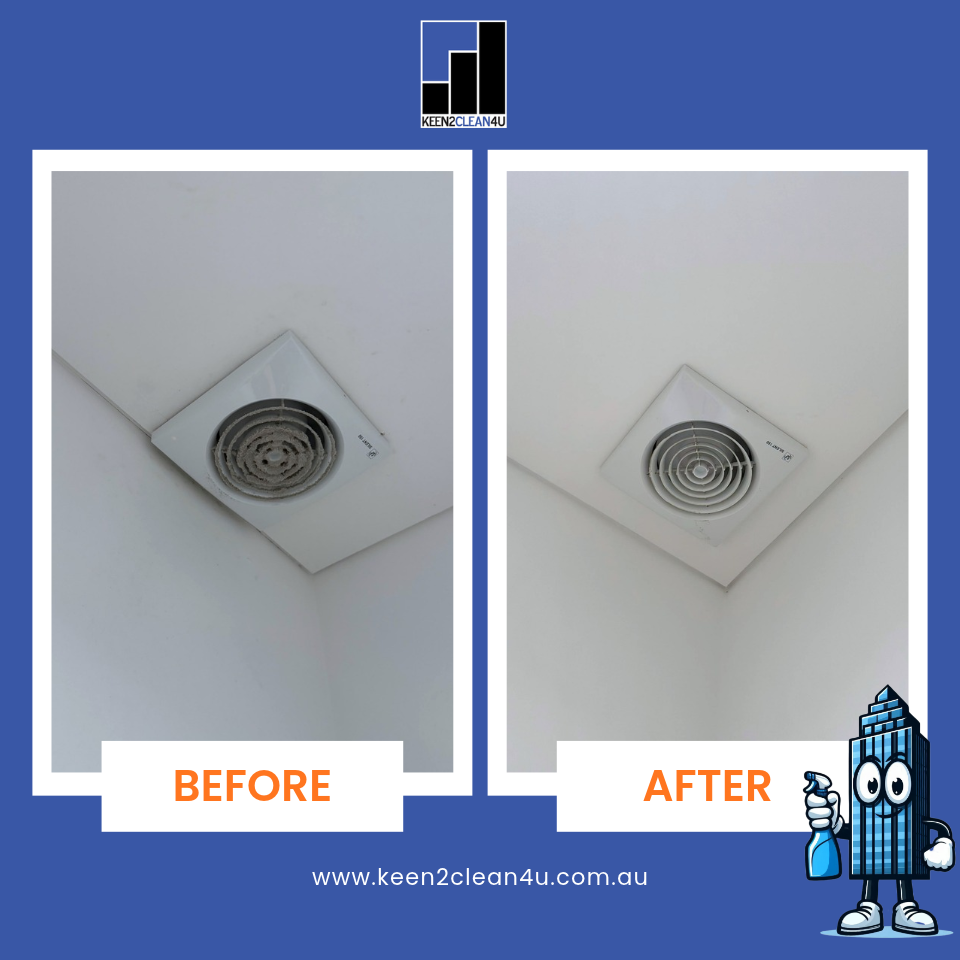
A sports centre can have excellent courts and equipment, but visitors still notice the dusty vent above the clubhouse table, scuffed walls near the entrance and leaves gathering along the fence. These details shape how members, visiting teams and event organisers feel about your facility.
Keeping a sports centre presentable takes more than a quick floor clean. The clubhouse, high-level surfaces, walls and outdoor areas each need attention suited to their use. A clear cleaning plan helps your team catch overlooked build-up, protect surfaces and keep the venue ready for its next session.
Here’s what to include in a practical sports centre cleaning Sydney managers can use to maintain a welcoming, well-cared-for facility.
1. Keep the clubhouse ready for members
The clubhouse is often the social hub of a sports centre. Members gather there before and after games, families may wait between sessions, and visitors use the canteen, tables and bathrooms. Crumbs, spills, fingerprints and damp patches can build up quickly during busy periods.
A good routine should cover both everyday presentation and the details that are easier to miss. In kitchens or canteens, clean food-contact surfaces using products suitable for the surface and intended use. Keep cleaning cloths and equipment separate from those used in bathrooms to help prevent cross-contamination.
Clubhouse cleaning checklist
- Wipe and clean tables, counters and other shared surfaces.
- Clean kitchen and canteen areas, including sinks, splashbacks and appliance exteriors.
- Remove crumbs and visible spills promptly.
- Vacuum or sweep floors, then damp-mop hard floors as needed.
- Clean entry glass, handles, switches and other frequently touched points.
- Clean bathroom fixtures, mirrors and floors; restock soap and paper supplies.
- Empty bins and check for odours or overflow.
- Detail-clean corners, skirting boards and areas beneath movable furniture.
For food preparation, follow relevant food-safety requirements and the product label. Cleaning removes soil; sanitising is a separate step and works best on a properly cleaned surface.
2. Don’t forget vents and exhaust fans
Ceiling vents and exhaust-fan covers are easy to overlook because they sit above normal eye level. Dust can collect on their visible surfaces, making a clean room feel neglected. Fans and ventilation systems also need to be maintained so they can perform as intended.
The before-and-after image above shows how much dust can sit on an exhaust-fan cover. Cleaning its accessible surface improves presentation, but it does not tell you whether the fan or ductwork is operating correctly.
Vent and exhaust fan checklist
- Inspect accessible vent grilles and exhaust-fan covers for visible dust.
- Clean reachable surfaces using a method appropriate to the equipment and surrounding area.
- Look for signs of moisture, mould, grease or damage and report them.
- Note unusual fan noise, weak airflow or persistent odours for follow-up.
- Arrange maintenance or deeper cleaning with a qualified mechanical-services contractor when required.
Avoid reaching above your head on an unstable ladder or opening equipment without permission. Work at height and work on mechanical systems need appropriate controls and, where required, qualified contractors. Safe Work Australia’s model Code of Practice for managing the work environment and facilities is a useful reference for workplace facilities and maintenance responsibilities.
3. Remove scuffs and grime from walls

Sports centre walls take constant contact from bags, hands, shoes and equipment. Ball marks and scuffs build up around entrances, corridors and court edges. Curved walls and columns can be especially noticeable: they are in clear view but may be missed during a quick routine clean.
The before-and-after image above shows how a focused clean can lift visible marks and grime from a curved wall. The right method depends on the wall’s paint or finish. Testing a small, inconspicuous area first helps reduce the risk of dull patches or damage.
Wall-cleaning checklist
- Check entrances, corridors, court surrounds, columns and corners.
- Spot-clean visible scuffs and hand marks with a surface-compatible product.
- Use non-abrasive cloths or pads unless the surface instructions say otherwise.
- Work from cleaner areas towards dirtier ones, changing cloths as they soil.
- Check for marks that may need maintenance rather than cleaning, such as chipped paint or scratches.
- Report recurring damage so the cause can be addressed.
A useful approach is to combine a quick visual check during routine cleaning with more detailed wall cleaning at planned intervals. High-traffic sections may need attention more often than quieter rooms.
4. Include outdoor courts, fence lines and drains
Outdoor courts and their edges are part of the facility experience too. Leaves, seed pods and other debris collect where fences meet the ground, in corners and along artificial turf boundaries. If debris reaches drainage grates, it can obstruct water flow and leave managers with a bigger maintenance issue after rain.


The before-and-after images above show leaf build-up in a turf-court corner and debris along a fence line. These areas can be missed when attention stays focused on the playing surface.
Outdoor maintenance checklist
- Walk the court perimeter and fence lines; remove loose leaves and litter.
- Check corners, edges and low points where debris tends to gather.
- Clear leaves from accessible drainage grates and report blockages or damage.
- Look for lifted turf edges, visible seam issues, pooled water or other hazards.
- Use tools and methods approved for the specific turf system.
- Inspect again after windy weather, heavy use or rain.
- Keep a record of maintenance issues that need a turf or drainage specialist.
Cleaning removes loose surface debris; it is not a substitute for sports-surface maintenance or drainage repairs. Check the turf supplier’s instructions and engage a specialist for repairs, deep maintenance or persistent drainage problems. The Smart Connection guide to maintaining synthetic long-pile turf offers further guidance on maintenance planning.
Make the cleaning schedule match how the venue is used
A one-size-fits-all schedule may miss the areas that get the most traffic. A clubhouse hosting a tournament weekend, for example, may need more frequent attention than a meeting room used once a week. Start with how many people use each area, what activities take place there and where dirt or moisture tends to collect.
A practical starting point is:
- Daily or after busy sessions: clubhouse touchpoints, visible spills, bathrooms, bins and outdoor litter.
- Weekly or as needed: detailed edges, wall marks, corners and accessible vent covers, based on inspection.
- After bad weather or events: court perimeter, fence lines and drainage grates.
- At planned intervals: high-level cleaning and specialist ventilation or turf maintenance, as site needs and manufacturer guidance indicate.
Choose a cleaning partner who understands the whole facility
Before choosing a provider, ask how they will tailor the scope to your sports centre rather than relying on a generic checklist. It’s also worth confirming who handles out-of-scope work, such as duct cleaning or turf repairs.
Questions to ask include:
- Which clubhouse, bathroom and outdoor areas are included?
- How will cleaning be scheduled around training, competitions and events?
- How are different areas and cleaning equipment managed to reduce cross-contamination?
- How are access, wet floors and other work health and safety risks controlled?
- How can we report a missed task or maintenance concern?
Good communication matters. A clear task list and a simple way to report issues help managers track whether the cleaning plan is working and adjust it as the facility’s needs change.
Keep your sports centre welcoming, inside and out
A clean clubhouse, presentable walls, dust-free accessible vents and tidy court edges all contribute to a better first impression. Just as importantly, regular inspections help you spot issues, such as a blocked grate or damaged surface, before they are overlooked.
Keen2clean4u provides commercial cleaning across Sydney, including services for gyms and fitness facilities. If you manage a sports centre or recreation venue, we can discuss a cleaning plan shaped around your spaces and schedule. Explore our gym cleaning services or contact keen2clean4u for a quote.